

Chapter one — The beginning
1880
Tabriz — the first knot
The Arsin family has been part of the world of handmade rugs for over a century and a half. The story begins in 1880, when Haj Teymour Arsin founded the family trade in Tabriz.
Chapter two — Three principles
What never changes
Hand-spun wool
Hand-combed, hand-spun fiber takes dye deeper and ages more beautifully.
Vegetal dyes
Madder, indigo and weld — colors that come alive with time instead of fading flat.
Design with integrity
Balancing Persia's old patterns with modern living — never at the cost of authenticity.
Chapter three — Generations
A path of its own
Generations later, Abbas Arsin entered the craft alongside his father, Haj Mohammad-Ali Arsin, and soon set out on his own — collecting and exporting valuable antique carpets, a path that carried from Iran to the world's markets.
Chapter four — From Tabriz to the world
Galleries across the water
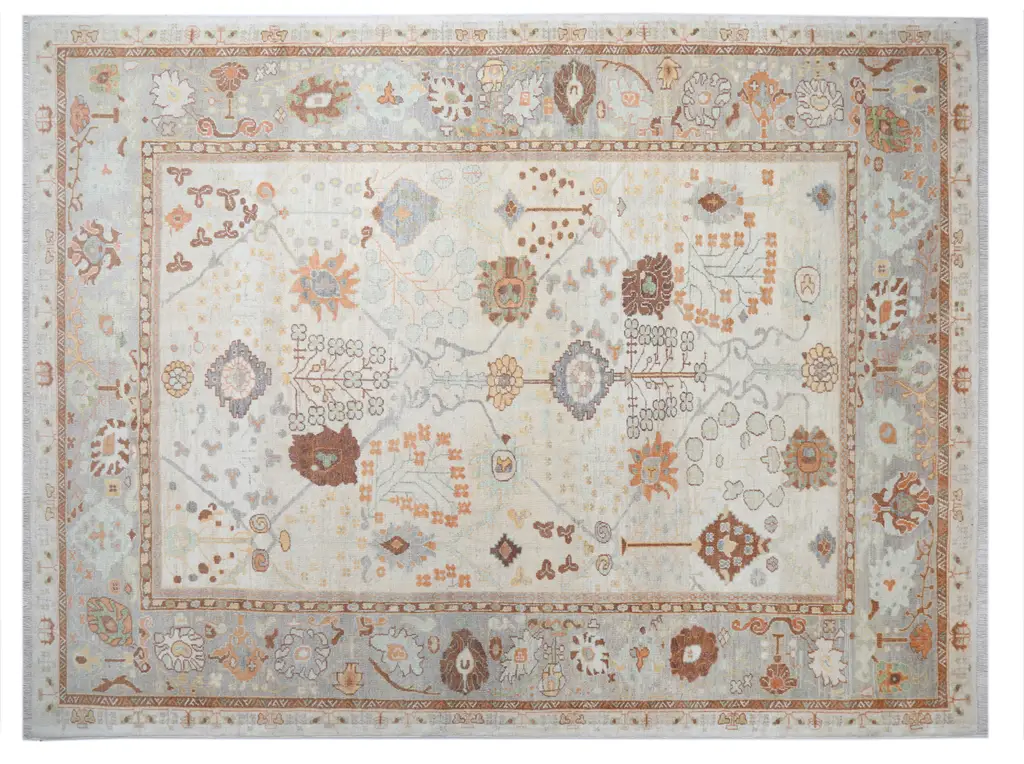
The dream of the American market began in Toronto — then Dallas, Houston, and Los Angeles. Today those galleries rank among the most reputable handmade-rug galleries in the United States.
Chapter five — Today, Iran
The Tehran studio, the village looms
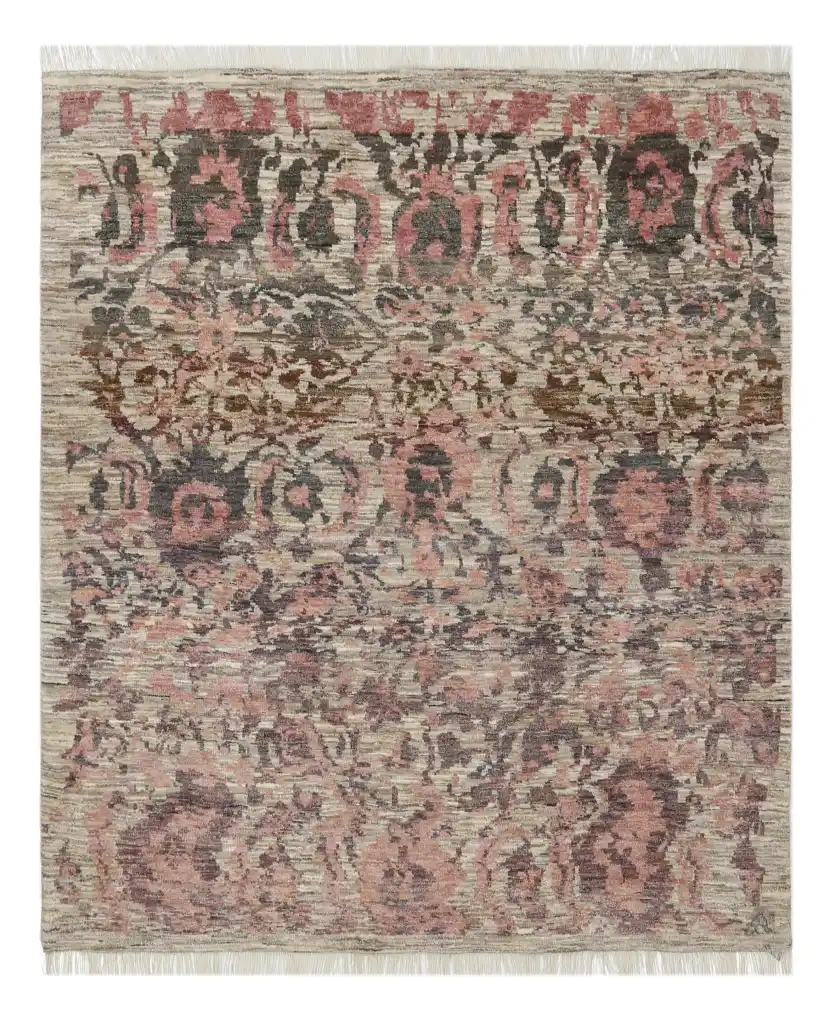
Today Arsin designs and colors its patterns in the Tehran studio and weaves in the villages of Iran. Developing spinning, dyeing, weaving and restoration workshops in under-served regions is part of the brand's mission — work that sustains more than 2,000 weavers.
Re-weaving Persia's classic carpets — Sultanabad and Bijar to Heris, Qashqai and Farahan — repatriating old rugs from Europe and America, and bringing the kilim and jajim back into Iranian homes are central to Arsin's work today.
The craft →Chapter six — An invitation
«Not merely a rug underfoot — an endless story of art and refinement.»
1880
Founded in Tabriz
145+
years of unbroken heritage
2,000+
weavers across Iran
3
galleries in Tehran & Lavasan